
Benefits of Exosome Therapy: Healing Potential for Various Medical Conditions

Benefits of Exosome Therapy: Healing Potential for Various Medical Conditions
Exosome therapy derived from umbilical cord tissue has emerged as a promising treatment modality with wide-ranging benefits. Exosomes are small vesicles secreted by cells that contain bioactive molecules such as proteins, lipids, and nucleic acids. These molecules play crucial roles in cell-to-cell communication and tissue regeneration. Specifically, harnessing the therapeutic potential of exosomes from umbilical cord tissue offers several advantages for addressing diverse health concerns.
1. Regenerative Potential
One of the primary benefits of exosome therapy is its incredible regenerative potential. Exosomes are rich in growth factors and cytokines that promote tissue repair by stimulating cell proliferation. This capacity holds tremendous promise for treating injuries affecting the nervous, musculoskeletal, and cardiovascular systems.
Studies show that umbilical cord exosomes can enhance regeneration in conditions like spinal cord injury and osteoarthritis. By delivering bioactive molecules directly to damaged areas, this therapy accelerates the healing process and improves overall function. Furthermore, exosomes can modulate immune responses to create a favorable environment for recovery.
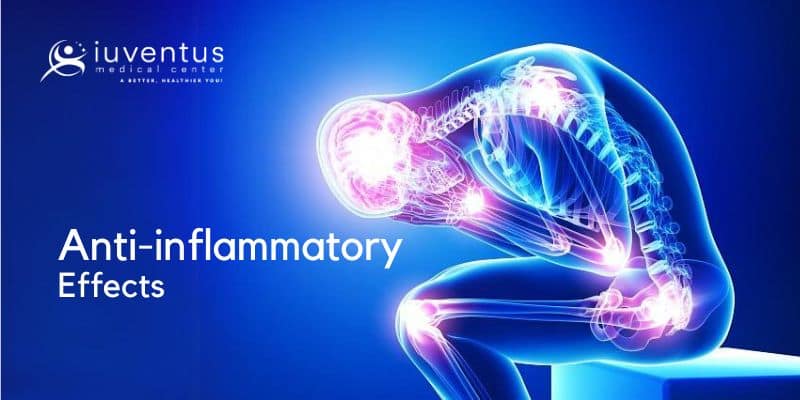
2. Anti-inflammatory Effects
Another significant benefit of exosome therapy is its potent anti-inflammatory effects. Chronic inflammation often contributes to tissue damage and long-term dysfunction. Fortunately, exosomes contain anti-inflammatory cytokines that help regulate the immune response.
Consequently, research demonstrates the efficacy of this therapy in alleviating inflammation in conditions like rheumatoid arthritis and neurodegenerative disorders. By targeting inflammatory pathways, exosomes offer a novel approach to managing chronic pain. Moreover, their ability to modulate immune activity without compromising overall function makes them a safe therapeutic option.
3. Neuroprotective Effects
Exosome therapy also exhibits strong neuroprotective effects, making it a promising intervention for neurological disorders. These vesicles contain neurotrophic factors that support neuronal survival and enhance synaptic plasticity. In fact, these molecules can protect neurons from oxidative stress and facilitate neural repair.
Clinical studies show therapeutic efficacy in conditions such as traumatic brain injury, stroke, and Alzheimer’s disease. By delivering protective factors directly to injured brain tissue, exosomes can improve cognitive function and neurological recovery. Therefore, their ability to cross the blood-brain barrier underscores their potential for neuroregeneration.
4. Immunomodulatory Properties
In addition to healing, exosomes from umbilical cord tissue possess unique immunomodulatory properties. They contain factors like TGF-β and IL-10 that regulate immune cell function and promote tolerance. Specifically, by modulating T cells and macrophages, exosomes help maintain immune homeostasis.
As a result, this therapy shows promising results for autoimmune diseases and organ transplantation. By suppressing aberrant immune reactions, exosomes offer a potential strategy for preventing tissue rejection. Furthermore, their role in suppressing inflammatory cytokines highlights their ability to restore immune balance.
5. Enhanced Wound Healing

Exosome therapy has shown great promise for enhancing the wound healing process. Chronic wounds, such as diabetic ulcers, pose significant challenges to healthcare providers. Because exosomes contain growth factors essential for angiogenesis and collagen synthesis, they are crucial for wound closure.
Specifically, these nanovesicles accelerate the formation of new blood vessels and stimulate skin cell proliferation. Additionally, exosomes exhibit antimicrobial properties that can help prevent infections. Thus, they facilitate a faster and more efficient healing process for complex wounds.
6. Anti-Aging Effects
Finally, exosome therapy holds potential as an anti-aging intervention by rejuvenating aging tissues. Aging is often associated with a decline in tissue repair and regeneration. However, exosomes contain microRNAs that can modulate cellular senescence and enhance mitochondrial function.
Consequently, research shows that this therapy can mitigate age-related changes in the skin, muscles, and heart. By delivering rejuvenating factors, exosomes improve tissue quality and functional capacity. In turn, this makes them a valuable tool in cosmetic medicine for reducing wrinkles and promoting youthful skin.
Conclusion
Exosome therapy provides a range of benefits for promoting health and wellness across different stages of life. From combating aging to promoting deep tissue regeneration, these vesicles present a revolutionary avenue for modern medicine. In summary, continued research will continue to unlock the full therapeutic potential of these treatments for patients worldwide.
Are you ready to experience the healing power of regenerative medicine? Schedule Now with the experts at IUVENTUS MEDICAL CENTER today. Let us help you discover how exosome therapy can support your journey toward lasting health and vitality!