
Vitamin D: Health Benefits & Facts
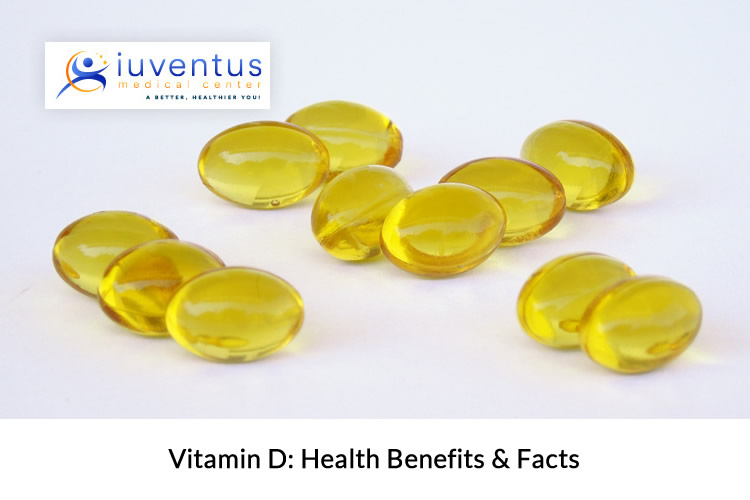
Vitamin D: Health Benefits & Facts for Everyone
Vitamin D is widely known as the “sunshine vitamin” because your body naturally produces it when your skin is exposed to direct sunlight. Additionally, you can source this essential nutrient from specific foods or high-quality supplements. Fortunately, maintaining optimal Vitamin D levels is vital for your long-term health, as it supports everything from bone density to immune function. At IUVENTUS Medical Center, we help you monitor and optimize these levels to ensure you feel your best.
Key Benefits of Vitamin D
Vitamin D supports your body in several critical ways. Specifically, it acts more like a hormone than a vitamin, influencing various systems:
-
Bone & Dental Health: It strengthens your skeletal system by aiding calcium absorption.
-
Immune Support: It protects your immune system and supports brain health.
-
Diabetes Management: It helps maintain healthy insulin levels.
-
Heart & Lung Health: It supports cardiovascular and respiratory performance.
-
Gene Regulation: It monitors many important biological processes.
Why Vitamin D is Essential for Longevity
1. Building Stronger Bones
Vitamin D regulates the levels of calcium and phosphorus in your blood, which are the primary building blocks for your bones. Without sufficient Vitamin D, your body cannot absorb calcium correctly, regardless of how much you consume.
Consequently, a severe deficiency can lead to significant health problems. For instance, children may develop rickets, leading to bone deformities. In contrast, older adults may face osteoporosis, which causes brittle bones and increased fracture risk. Therefore, consistent Vitamin D intake is a non-negotiable part of skeletal health.
2. Supporting Pregnancy & Infancy
Optimal Vitamin D levels are crucial for expectant mothers. Specifically, research links low levels to higher risks of preeclampsia and gestational diabetes. Regarding infants, Vitamin D may even reduce the risk of developing type 2 diabetes later in life. On the other hand, a deficiency during childhood is often linked to the development of asthma.
3. Aiding in Cancer Prevention
Vitamin D plays a role in how cells grow and communicate with each other. Calcitriol, the active form of Vitamin D, may even slow the progression of certain cancers. Specifically, it helps limit the growth of new blood vessels in cancerous tissues. Moreover, it promotes the natural death of cancer cells (apoptosis). As a result, maintaining high levels of this vitamin serves as a powerful tool in a proactive wellness strategy.
How Much Vitamin D Do You Need?
Intake is typically measured in Micrograms (mcg) and International Units (IU).
Note: 1 mcg of Vitamin D equals 40 IU.
Because many people face deficiencies today—often due to indoor lifestyles or frequent sunscreen use—monitoring your levels is essential. Vitamin D deficiency is also closely linked to hypertension and other cardiovascular issues. Therefore, if you aren’t getting enough sun, Vitamin D injections or professional supplementation can bridge the gap and support your long-term wellness.
Summary
Vitamin D is far more than just a supplement; it is a foundation for your body’s most vital functions. In summary, from protecting your bones to boosting your immune response, keeping your levels optimized is key to a vibrant life. By taking a proactive approach today, you protect your health for years to come.
Stop guessing about your nutrient levels and start thriving! If you feel fatigued or want to ensure your immune system is at its peak, the experts at IUVENTUS Medical Center are here to help. Request Appointment today to discuss our Vitamin D Injections and personalized wellness plans. Let’s unlock your best health together!