
A Guide to Stem Cell Therapy

A Comprehensive Guide to Stem Cell Therapy
Stem cell therapy, commonly known as regenerative medicine, is rapidly gaining popularity in modern society. Specifically, this clinical treatment uses stem cell implantation to encourage the reparative response of injured or diseased tissue. As a result, this therapy presents fresh approaches to treating various illnesses and injuries.
While there is much discussion surrounding stem cell therapy, you should not let the debate worry you. Instead, it is helpful to understand how these cells rebuild bodily tissue through their unique ability to divide. This guide explains everything you need to know, including the traits, cell sources, and benefits of this innovative treatment.
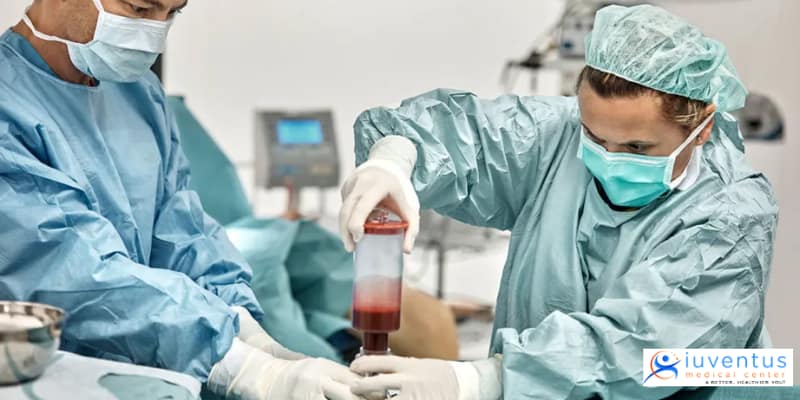
What is Stem Cell Therapy?
Stem cell therapy uses specialized cells that occur naturally in the human body. Because these cells can renew themselves, they can grow into virtually any body part or organ.
These cells are the first to form when a baby develops in the womb. Then, they undergo rapid cell division to create every component of the human body, such as skin, muscle, and nerve cells. Once a stem cell matures into a specific cell type, it stays in that form to support the body’s functions.

What Types of Cells Are Used?
There are three primary sources of cells used in stem cell therapy:
-
Umbilical Cord Stem Cells: These are obtained from the umbilical cord and placenta after birth. Specifically, hematopoietic cells are found in the blood, while mesenchymal cells are found in tissues.
-
Embryonic Stem Cells: These cells come from embryos that are three to five days old. Because they are pluripotent, they have the potential to become any cell type in the body.
-
Adult Stem Cells: These exist in developed organs like the brain, skin, or bone marrow. However, they are usually limited to producing cells of the same kind, such as liver cells producing more liver tissue.
The Role of Stem Cell Therapy in Medicine
This procedure stands out because it poses very little danger compared to traditional surgeries. By providing the necessary cells, this treatment enables the body’s inherent ability to regenerate. In fact, current research supports its effectiveness in treating immune system dysfunctions and blood disorders.
Key Benefits of Current Stem Cell Research
-
In-Depth Cellular Knowledge: Laboratory studies allow scientists to learn exactly how different cells grow and function.
-
Drug Testing and Safety: Researchers use stem cells to test new medications in the lab before they reach patients.
-
Heart Disease Solutions: Stem cell research offers hope to patients with chronic heart conditions. Specifically, scientists can now grow healthy heart muscle cells to replace damaged tissue.
-
Broad Applications: This therapy can address hair loss, eye conditions, orthopedic issues, and spinal cord injuries.
Conclusion
Stem cells represent the future of medicine. Since this treatment can fight severe illnesses that make life unbearable, it has quickly become a trusted clinical procedure. Stem cell therapy is both a safe and efficient path toward better health.
Call to Action
Are you ready to explore the healing power of regenerative medicine? Schedule a consultation with the experts at IUVENTUS MEDICAL CENTER today. Let us help you discover how stem cell therapy can support your recovery and long-term wellness!