
PRP Therapy for Joint Pain
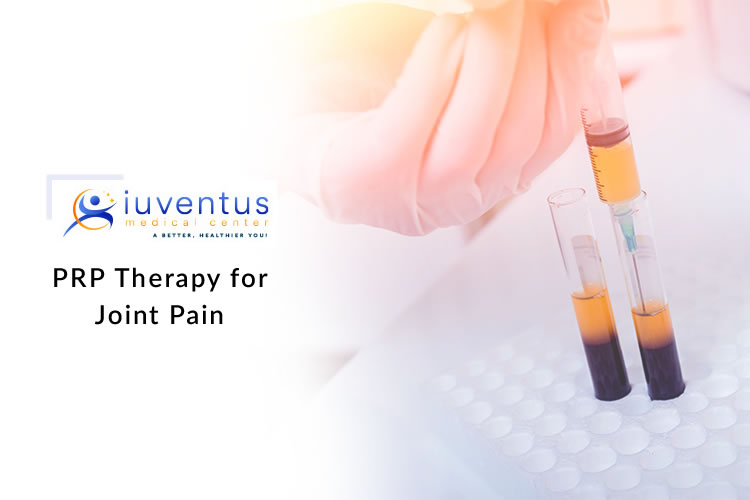
PRP Therapy for Joint Pain Relief
Joints are the essential body parts where bones meet, allowing us to move in various positions and directions. While your joints usually function smoothly, you may occasionally experience pain ranging from minor to severe. Typically, you can manage minor aches at home; however, major pain often requires professional medical intervention.
One leading cause of chronic discomfort, particularly in the ankle and knee, is arthritis. Fortunately, there are several ways to manage this condition, including weight loss programs, physical therapy, and herbal supplements. Specifically, this article explores the benefits of platelet-rich plasma treatment, commonly known as PRP therapy.
How PRP Therapy Works
PRP therapy utilizes the natural healing properties of your own blood to repair damaged tissues. Specifically, it can help regenerate:
-
Bones and cartilage.
-
Ligaments and tendons.
-
Muscles affected by injury.
To begin the process, a specialist draws a small sample of your blood. Next, they process it to create a concentrated therapeutic injection. Because this injection contains a significantly higher concentration of platelets than normal blood, it delivers powerful growth factors directly to the injury site. Consequently, the goal is to reduce inflammation, improve joint function, and repair damaged cartilage.
The Science Behind the Healing
Blood plasma consists of white blood cells, red blood cells, and platelets. In fact, platelets contain protein substances known as growth factors, which are vital for healing. A PRP injection typically contains 5 to 10 times the normal amount of platelets found in regular plasma.
During the procedure, the doctor spins your blood in a centrifuge for about 15 minutes to isolate these platelets. Once the extraction is complete, the provider injects the PRP into the affected area. Typically, you will remain at the medical center for about an hour. While the procedure is safe, some patients may experience minor risks like temporary soreness or local infection.
Proved Effectiveness of PRP
Research consistently demonstrates the benefits of this regenerative medicine approach. For example, a study involving 230 patients with painful tennis elbow compared PRP injections to traditional treatments.
After 24 weeks, the results were clear:
-
84% of PRP patients reported a pain reduction of more than 25%.
-
Only 68% of those receiving traditional treatment reported similar relief.
Therefore, these findings indicate that PRP therapy is often more effective than conventional methods for chronic joint issues.
Summary
PRP therapy offers a natural, minimally invasive way to treat joint pain and arthritis. In summary, by harnessing your body’s own growth factors, you can effectively repair damaged tissue and reclaim your mobility.
Are you ready to move without pain and restore your joint health? Schedule Now with the experts at IUVENTUS MEDICAL CENTER today. Let us help you find long-term relief with our specialized PRP therapy for joint pain!