
How Many Conditions Can PRP Therapy Treat?

How Many Conditions Can PRP Therapy Treat?
Technologies keep evolving, and with that, our lives, diets, and daily routines are changing as well. Unfortunately, millions of people are also developing a large number of degenerative conditions. These health conditions are often those that do not have a standard cure. To treat such conditions, Platelet-rich Plasma (PRP) Therapy or regenerative medicine is in high demand.
What Do We Mean By PRP Therapy?
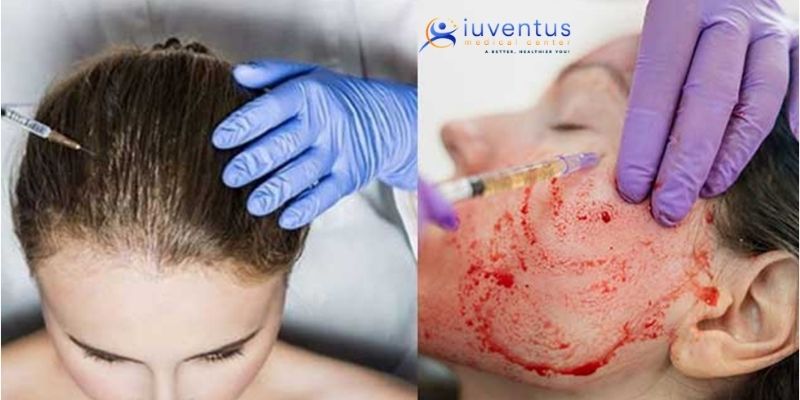
Platelet-Rich Plasma Therapy (PRP) is one of the most effective regenerative treatments available. It can help in treating many chronic conditions and injuries.
In this therapy, a specialist takes an extremely small blood sample from the patient. Next, the specialist places the sample in a centrifuge. Through this process, healthcare professionals can easily separate the blood into its essential components. Once separated, they obtain the platelet-enriched plasma. Specifically, this component acts as a healing agent that supports recovery from illness and injuries.
How PRP Works in the Body
When the plasma is laden with platelets, it becomes highly powerful. The specialist then injects it into affected muscles, joints, ligaments, or tendons. Consequently, the platelets recharge the affected body parts and work to rebuild tissues. This process slowly replaces damaged tissues with fresh ones to heal the body.
PRP therapy is gaining popularity because it speeds up the body’s natural healing capabilities. Furthermore, it is extremely safe and effective with minimum side effects. Because it uses your own blood, no harmful chemicals or medicines are involved in the process.
What Conditions Can PRP Therapy Treat?
1. Tendonitis Conditions
Tendonitis occurs when an individual suffers from injuries generated by repetitive motion of the tendons. PRP is an effective method for this because it helps the body heal faster than other methods. Specifically, the technique increases blood flow to the area to eliminate pain and discomfort.
2. Ligament and Muscle Injuries
PRP Therapy effectively treats injuries that affect the muscles and ligaments. For instance, it is a great option if you suffer from plantar fasciitis, muscle sprains, or other ligament problems. In addition, this therapy can help heal tears in the tendons by increasing platelet concentration in the affected area.
3. Nerve Damage and Related Injuries
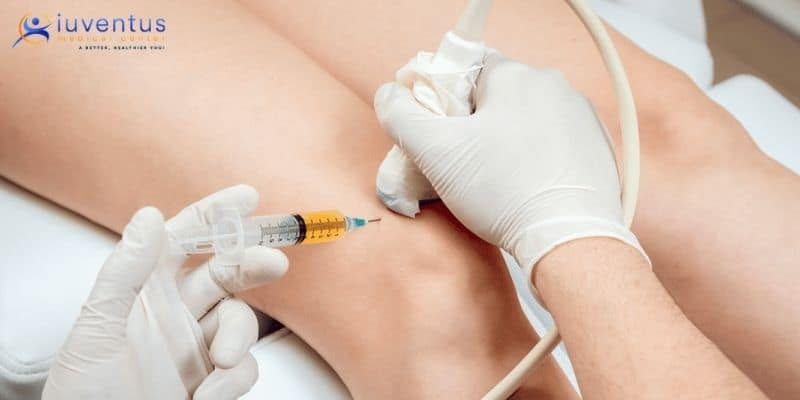
Some damage directly impacts the nerves and cannot be treated by surgery alone. In these cases, doctors use PRP therapy to cure the affected nerves. Specifically, it can help with carpal tunnel syndrome, sciatica, and related injuries. The platelets regenerate the nerve tissues, which decreases pain and discomfort.
Summary
PRP Therapy is effective and safe for treating a wide variety of conditions. However, each individual responds differently to the treatment. Therefore, you should consult a healthcare professional to explain your issues before starting therapy.
Are you ready to accelerate your healing process naturally? Request an Appointment with the experts at IUVENTUS MEDICAL CENTER today. Let us help you determine if PRP therapy is the right solution for your recovery!