
Harnessing the Power of Exosomes in Regenerative Medicine

Harnessing the Power of Exosomes in Regenerative Medicine
In the field of regenerative medicine, scientists continually explore innovative approaches to harness the body’s natural healing mechanisms. Specifically, one promising research avenue involves using exosomes derived from umbilical cord tissue. These tiny vesicles carry a payload of bioactive molecules with immense potential for tissue repair and therapeutic intervention. Because they act as cellular messengers, they play a transformative role in modern regenerative medicine.
Understanding Exosomes: Nature’s Cellular Messengers
Exosomes are minute vesicles secreted by various cell types that serve as vital mediators of communication between cells. Despite their diminutive size, exosomes pack a potent cargo of proteins, nucleic acids, and lipids. Consequently, these bioactive molecules play essential roles in modulating cellular processes ranging from immune regulation to tissue repair.
Once released into the extracellular environment, they interact with neighboring cells to influence behavior. This molecular information transfer enables cells to coordinate responses to injury and maintain tissue homeostasis. Furthermore, their involvement in angiogenesis and inflammatory signaling underscores their significance in treating complex diseases.
The Potential of Umbilical Cord-Derived Exosomes
Umbilical cord-derived exosomes have emerged as a promising frontier because they offer unique advantages across diverse medical domains.
-
Abundant and Accessible Source: Previously discarded as medical waste, the umbilical cord is now recognized as a valuable reservoir. Unlike bone marrow, obtaining these cells poses minimal ethical concerns.
-
Rich Bioactive Payload: These exosomes encapsulate growth factors and cytokines. Specifically, the synergistic action of these molecules promotes cellular proliferation and functional recovery in target tissues.
-
Immunomodulatory Potency: These exosomes can regulate immune responses by modulating the activity of T cells and macrophages. Therefore, they offer a novel approach to treating autoimmune diseases without the adverse effects of traditional drugs.
Therapeutic Applications and Research
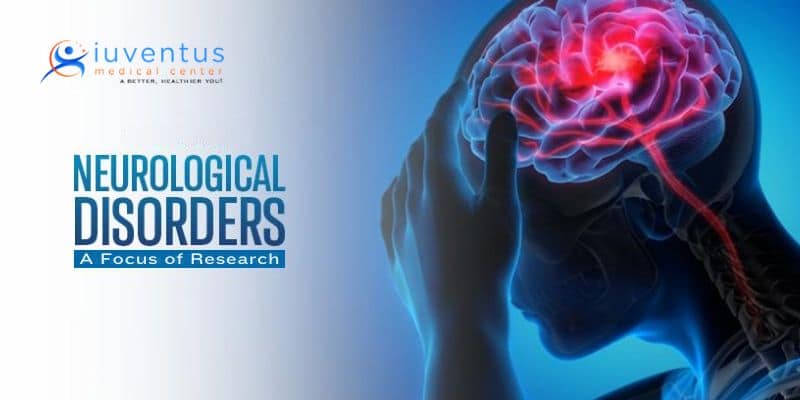
The therapeutic potential of umbilical cord-derived exosomes spans various conditions. For instance, research indicates that these exosomes can traverse the blood-brain barrier. As a result, they hold massive promise for treating central nervous system disorders.
In orthopedic medicine, these exosomes offer new ways to promote joint repair. Studies show their ability to accelerate bone healing and mitigate cartilage degeneration in conditions like osteoarthritis. Additionally, their anti-inflammatory effects help manage chronic joint inflammation effectively.
Challenges and the Future of Medicine
While the potential is promising, several challenges remain. Specifically, standardizing purification techniques and determining optimal dosing are paramount for clinical applications. However, ongoing research continues to advance our understanding of these cellular powerhouses. Ultimately, umbilical cord-derived exosomes may emerge as a cornerstone of personalized therapies.
Summary
Exosome therapy represents a promising frontier in medicine. In summary, by modulating immune responses and enhancing regenerative processes, these tiny messengers provide a powerful tool for addressing unmet clinical needs.
Are you ready to explore the healing power of advanced regenerative medicine? Schedule Now with the experts at IUVENTUS MEDICAL CENTER today. Let us help you discover how exosome therapy can transform your recovery and health!