
Benefits of Semaglutide Injections: What You Need to Know

Benefits of Semaglutide Injections: What You Need to Know
Semaglutide has emerged as a breakthrough treatment for type 2 diabetes. Administered as a once-weekly injection, this medication offers a wide range of benefits for those managing their blood sugar and overall health.
Understanding these advantages can help both patients and providers make informed decisions about long-term wellness.
1. Improved Blood Sugar Control
The primary function of semaglutide injections is to regulate blood glucose. As a GLP-1 receptor agonist, it mimics natural hormones to:
-
Stimulate Insulin: It triggers insulin release when your blood sugar is high.
-
Lower Glucagon: It reduces the production of hormones that raise blood sugar.
-
Stabilize Levels: This leads to better long-term glycemic control and higher energy levels throughout the day.

2. Significant Weight Loss
Unlike many diabetes medications that can cause weight gain, semaglutide is highly effective for weight loss. It works by:
-
Reducing Appetite: It acts on the brain’s hunger centers to help you feel full faster.
-
Slowing Digestion: By delaying stomach emptying, it helps you stay satisfied for longer periods.
-
Improving Metabolism: Clinical trials show many patients lose over 10% of their body weight, which significantly reduces the risk of joint issues and heart disease.
3. Cardiovascular Protection
Beyond metabolic health, semaglutide offers vital cardiovascular benefits. Research, including the landmark SUSTAIN-6 trial, indicates it can reduce the risk of major events like:
-
Non-fatal heart attacks.
-
Non-fatal strokes.
-
Cardiovascular-related deaths.
4. Better Health for Kidneys and Brain
Recent research suggests that semaglutide may protect more than just your heart:
-
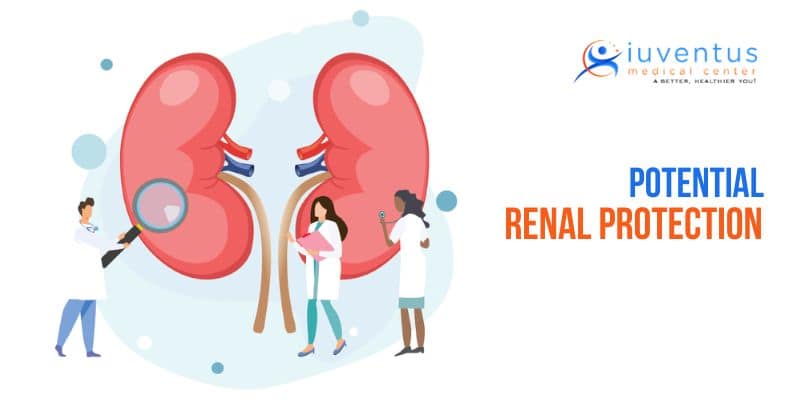
Renal Protection: It can help slow the progression of chronic kidney disease by reducing inflammation and preserving kidney function.
-
Neuroprotection: Preliminary studies indicate it may help preserve cognitive function and reduce risks associated with neurodegenerative disorders.
5. Convenience and Easy Adherence
One of the best practical features of semaglutide is its dosing schedule. Because it is a once-weekly injection, it is much easier to manage than daily oral medications. Most patients find the self-injection process simple, painless, and easy to fit into a busy lifestyle.
6. Potential Neuroprotective Effects
In addition to their effects on metabolic parameters and cardiovascular health, semaglutide injections have shown promise in neuroprotection. Diabetes is associated with an increased risk of cognitive decline and neurodegenerative disorders such as Alzheimer’s disease. Emerging preclinical and clinical evidence suggests that GLP-1 receptor agonists like semaglutide may have neuroprotective effects that could potentially mitigate these risks.
Animal studies have demonstrated that GLP-1 receptor agonists can improve cognitive function and reduce the accumulation of pathological proteins associated with neurodegenerative diseases. Furthermore, preliminary clinical studies in humans have suggested that GLP-1 receptor agonists may benefit cognitive function and brain health in individuals with type 2 diabetes. While more research is needed to fully understand the mechanisms and clinical implications of these neuroprotective effects, they represent a promising area of investigation for the potential role of semaglutide in preserving brain function and reducing the risk of cognitive decline in people with diabetes.
Summary
In summary, semaglutide injections offer a range of potential benefits beyond their primary role in glycemic control. These include renal protection, neuroprotection, and the convenience of once-weekly dosing. As our understanding of semaglutide continues to evolve, healthcare providers must consider these additional benefits when tailoring treatment plans for individuals with type 2 diabetes. By leveraging the full spectrum of benefits offered by semaglutide, we can improve outcomes and enhance the overall quality of life for people with diabetes.