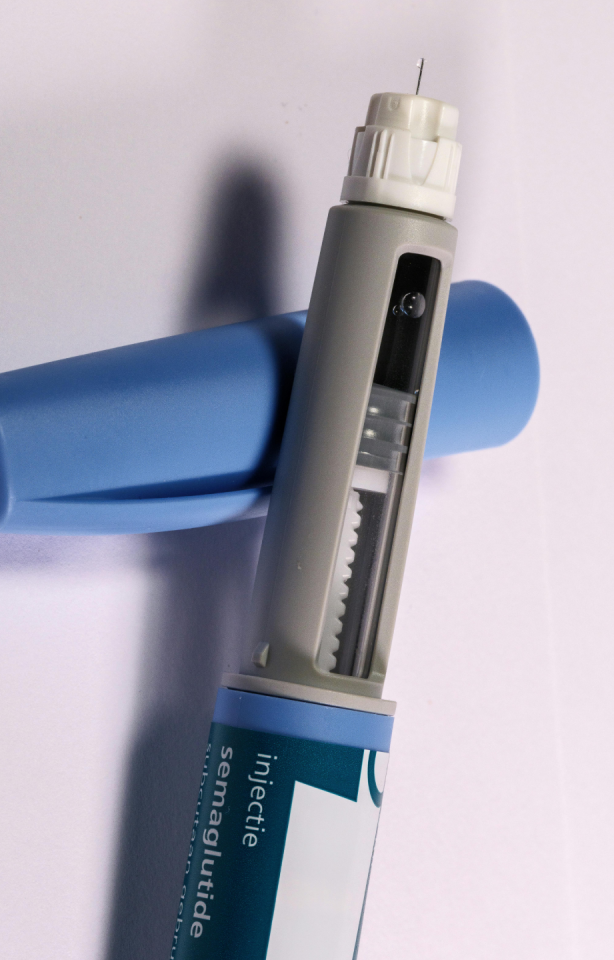
The struggle to find effective solutions for obesity and metabolic health leaves many feeling frustrated when standard diets fail. However, retatrutide is catching widespread attention in clinical trials, offering fresh hope where other options fall short. At IUVENTUS MEDICAL CENTER, we follow the latest updates on retatrutide in Las Vegas to bring our patients cutting-edge insights into future weight loss therapies. By targeting multiple hormone pathways simultaneously, this triple-agonist medication represents a breakthrough in modern metabolic medicine. Fortunately, the future of weight management is evolving rapidly.
Understanding Retatrutide

Retatrutide is gaining immense interest in the medical community for a good reason. Specifically, it offers exciting new possibilities for managing obesity and type 2 diabetes.
What Is Retatrutide?
Retatrutide is an investigational medication currently undergoing clinical trials for weight management and blood sugar control. Designed as a “triple G” agonist, it targets three distinct hunger and metabolic receptors in your body. Because it addresses appetite and glucose processing at once, healthcare professionals view it as a potential game-changer for chronic metabolic conditions.
Mechanism of Action
Retatrutide works by activating the GLP-1, GIP, and glucagon receptors simultaneously. Specifically, this triple action helps reduce hunger while boosting the body’s energy expenditure. By regulating appetite and enhancing fat metabolism, it supports significant weight loss alongside improved blood sugar control. As a result, patients experience lower calorie intake with greater efficiency in burning fat.
Safety and Tolerability
Safety remains a primary focus in every phase of medication development. Overall, trial data show that participants tolerate retatrutide well. Typically, common side effects include mild gastrointestinal issues, such as nausea or mild indigestion, which diminish over time. Therefore, consulting with an experienced medical team helps ensure proper management as these therapies become available.
Retatrutide in Obesity Management

As obesity remains a major health challenge, retatrutide offers a new approach. Let’s delve into how it benefits individuals seeking weight loss solutions.
Benefits of Retatrutide for Obesity
Retatrutide has demonstrated significant results in reducing body weight, making it a promising option for those struggling with obesity. Unlike traditional weight loss methods, retatrutide addresses underlying biological factors. Patients have experienced noticeable weight reductions, which can lead to improved overall health and reduced risk of obesity-related conditions.
Clinical Trials and Findings
Clinical trials have provided encouraging data on retatrutide’s effectiveness. Studies indicate that individuals using retatrutide experience substantial weight loss. For instance, participants in recent trials reported losing a significant percentage of their body weight. These findings suggest retatrutide could be a powerful tool in combating obesity. More details on these trials can be found in the New England Journal of Medicine.
Retatrutide for Diabetes

Retatrutide’s potential extends beyond obesity, offering new hope for diabetes management. Here’s how it could change the game for those with diabetes.
Retatrutide’s Potential for Diabetes
Managing diabetes effectively is crucial for preventing complications. Retatrutide has shown potential in improving blood sugar control, which is vital for diabetes management. By impacting hormone pathways, it helps stabilize glucose levels, offering a new avenue for those struggling to manage their condition through traditional means.
Latest Updates on Retatrutide Trials
Ongoing trials continue to shed light on retatrutide’s benefits for diabetes. Recent studies have highlighted its ability to significantly lower blood sugar levels in participants. These promising outcomes suggest that retatrutide could become an integral part of diabetes treatment plans. For more detailed trial information, visit the American Diabetes Association.
Frequently Asked Questions
What is retatrutide used for?
Retatrutide is being studied for its potential to aid in weight management and improve blood sugar control in individuals with obesity and type 2 diabetes.
How does retatrutide help with weight loss?
It targets hormones that regulate appetite and metabolism, helping to reduce hunger and increase the body’s efficiency in processing glucose, leading to weight loss.
Are there any side effects related to retatrutide?
Some users may experience mild gastrointestinal side effects, but these usually improve over time.
Is retatrutide approved for diabetes treatment?
Retatrutide is still undergoing clinical trials to determine its efficacy and safety for diabetes treatment. It’s not yet approved for general use.
Where can I learn more about retatrutide trials?
You can find more information about ongoing and completed trials at ClinicalTrials.gov.
👇 Visit us at E. Flamingo or S. Rainbow—Book here:
Key Takeaways
- Retatrutide shows promise for treating obesity and type 2 diabetes, offering new hope through recent clinical trials.
- This medication aids weight management and glucose control by targeting hormones related to appetite and metabolism.
- Clinical trials indicate significant weight loss among participants using retatrutide, highlighting its potential effectiveness.
- Retatrutide also improves blood sugar levels, making it a promising option for diabetes management.
- Safety studies suggest retatrutide is well-tolerated, with mild side effects that typically improve over time.